
Choosing a 3.5-ton Roller for Construction Start? Engineers Recommend This One, Perfect for Narrow Working Conditions!
Construction is about to start, and I was torn about which 3.5-ton roller to choose. I asked a friend who works in engineering, and he directly recommended this one!
We need a 3.5-ton roller for the construction site. After comparing several models, I was finally impressed by this one's configuration and adaptability!
@All Engineers, have you ever encountered a situation where large rollers cannot enter due to narrow working conditions, making it impossible to complete compaction work? Actually, a small roller can perfectly solve this problem at such times! Now, the requirements for project quality are becoming more and more strict. Not only must the compacted road surface be dense and flat, but the details of the edges and corners cannot be perfunctory either. Therefore, the combination of "large roller + small roller" is becoming more and more common on construction sites, suitable for various construction scenarios.
In particular, small rollers have a very wide range of applications. They can be used for narrow road surface operations such as municipal road maintenance, highway repair, trench foundation compaction, building construction, pipeline backfilling, and sports field paving in daily work, with high practicality.
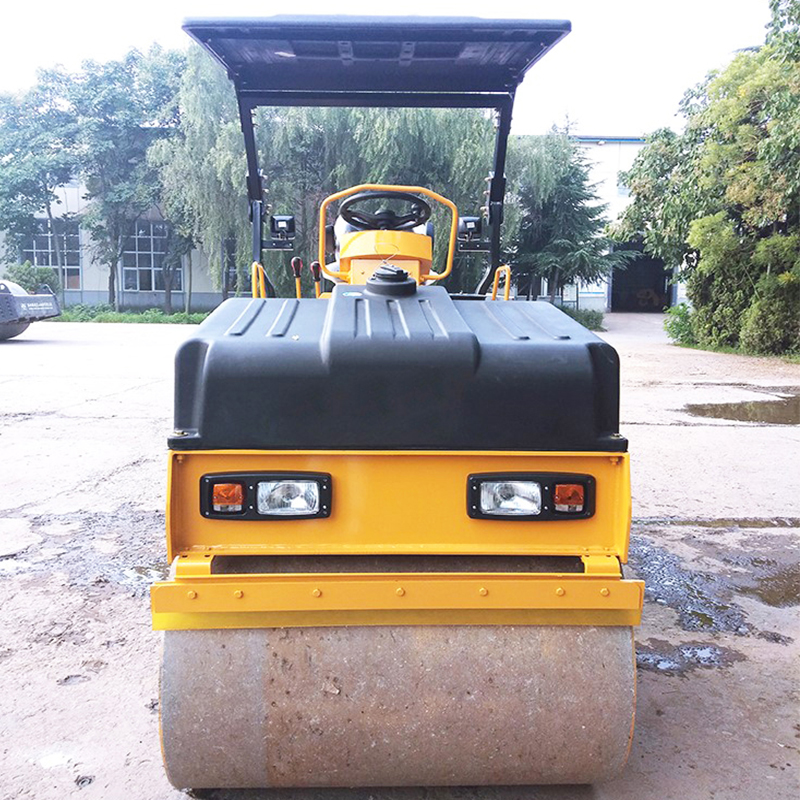
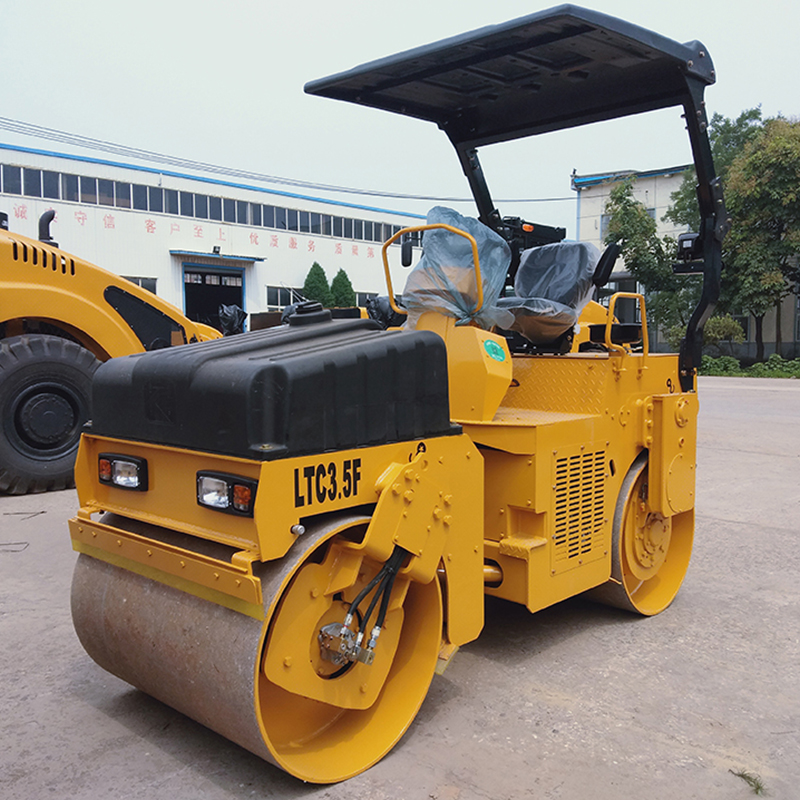
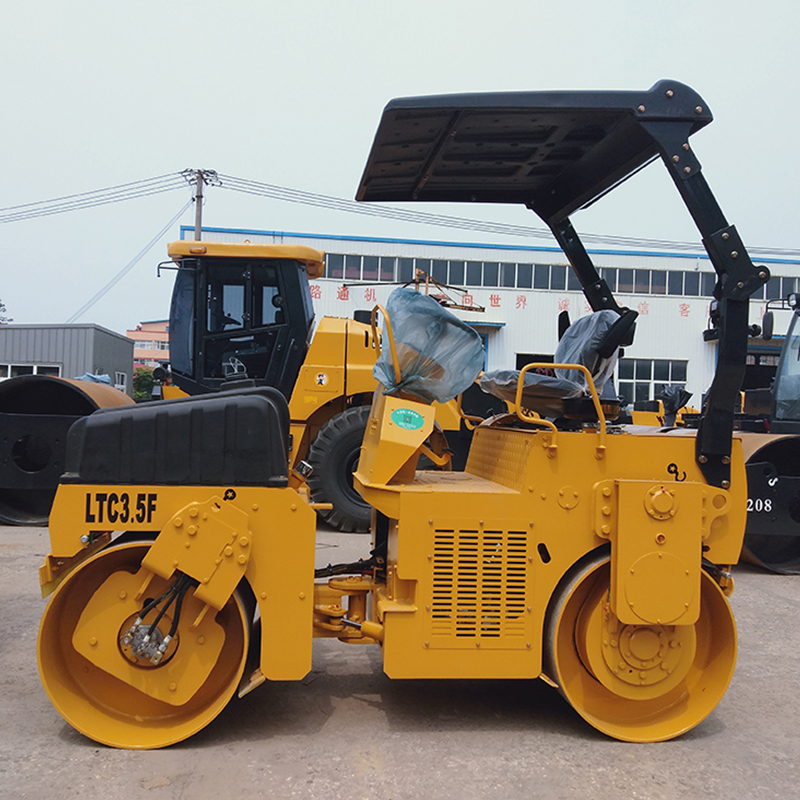
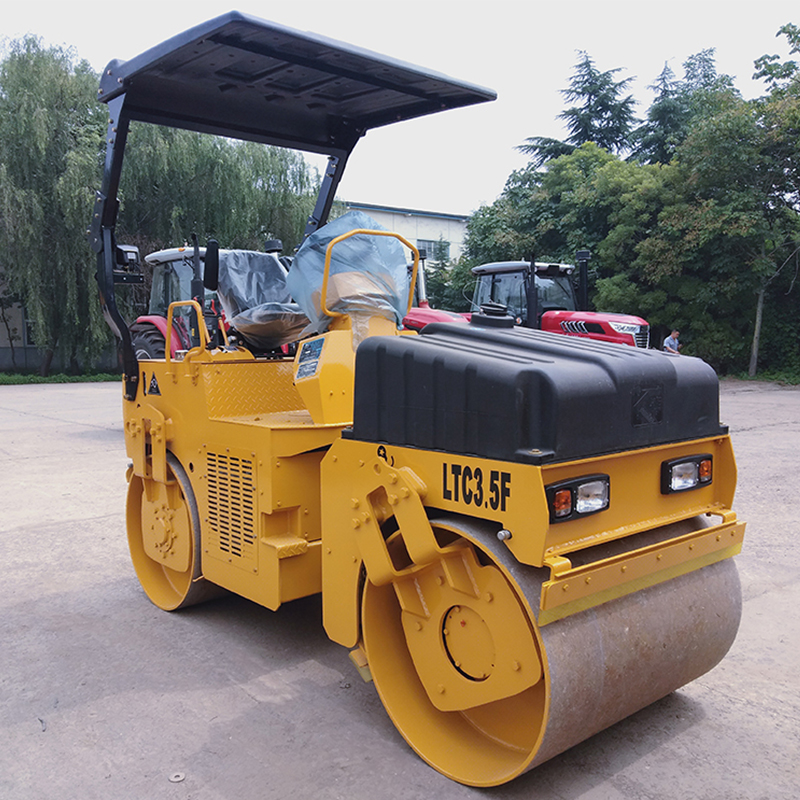
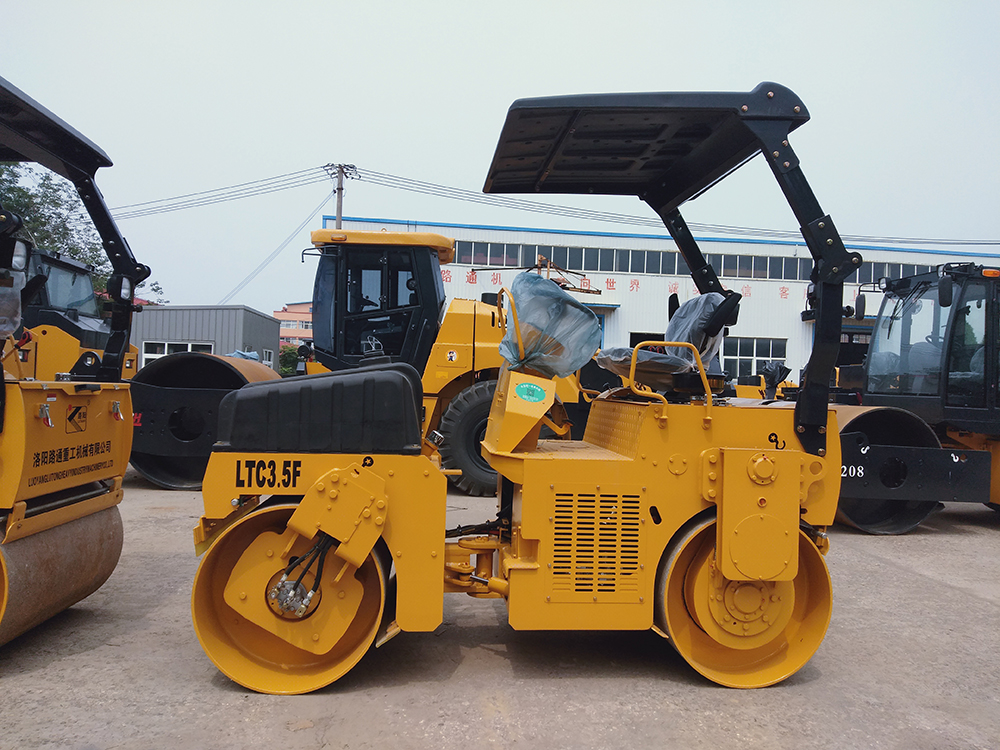
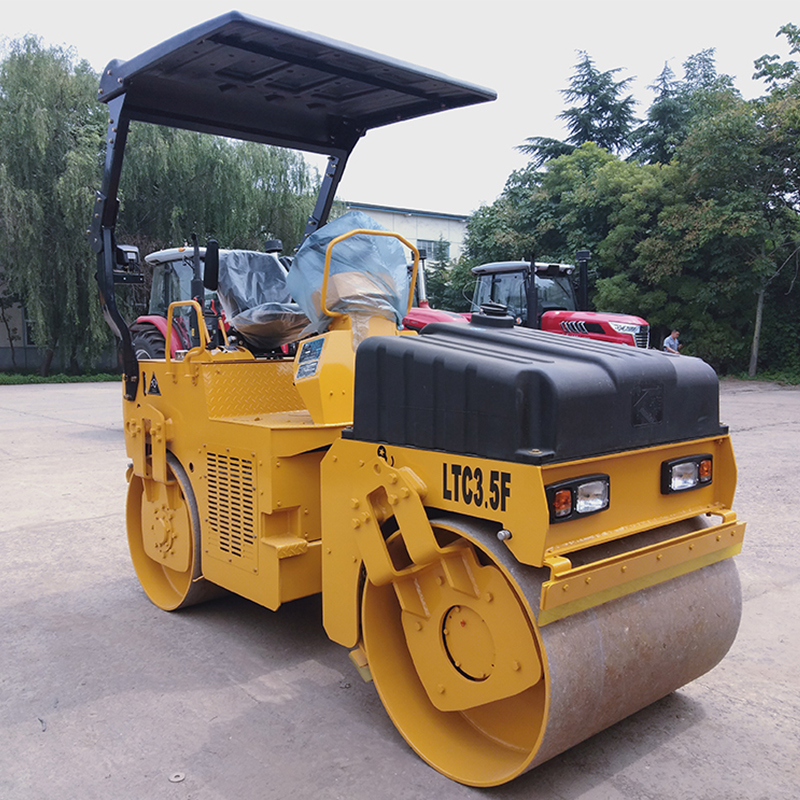
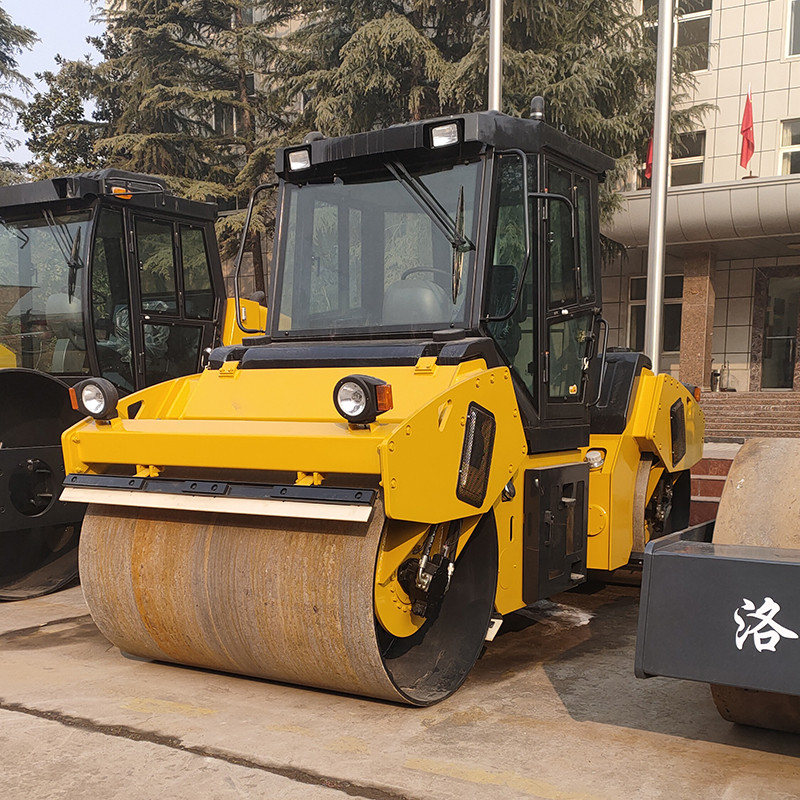
Recently, more and more construction sites have started work. Many peers have asked about 3.5-ton small rollers when consulting. Today, I would like to share an LTC3.5F double-drum vibratory roller that we have been using on our construction site with high adaptability, for reference to friends in need. Its length, width and height are 2830*1420*2650mm, exciting force is 35kN, vibration frequency is 50Hz, compaction width is 1090mm, equipped with a National IV diesel engine with a power of 28kW. It has sufficient power, good durability in daily construction, and stable performance in all aspects.
Stable Walking Performance — The whole machine adopts a fork-foot structure, with mechanical drive and hydraulic articulated steering, which is flexible, safe and reliable, and can be used for compaction operations in narrow sites and side road operations;
Reasonable Transmission Design — Optimized high-strength and large-module gear transmission system, with high efficiency, long service life and stable reliability;
Considerate Water Spraying Function — Standard self-spraying water system for effective dust removal, meeting environmental protection construction requirements; Optional high-pressure water pump type water spraying system, with free switching between intermittent spraying and continuous spraying, suitable for different construction scenarios;
Excellent Edge Compaction Effect — Fork-foot frame design, more fit with the road surface during edge-attached operations, more in-place compaction of edges and corners, solving the problem of incomplete compaction in narrow areas;
Practical Mud Scraping Design — Both front and rear wheels are equipped with gap-adjustable mud scraping devices to avoid soil adhesion affecting compaction effect and reduce subsequent cleaning troubles;
High Operational Comfort — Equipped with an adjustable suspended seat with good shock absorption effect, reducing fatigue during long-time operation;
Solid and Durable Configuration — Adopting LLDPE rotational molding awning, one-piece molding process, with neat appearance, high strength, strong corrosion resistance, suitable for complex construction site environments;
Convenient Maintenance — Equipped with a large-opening hood, providing sufficient operating space for daily maintenance and repair, saving maintenance time.
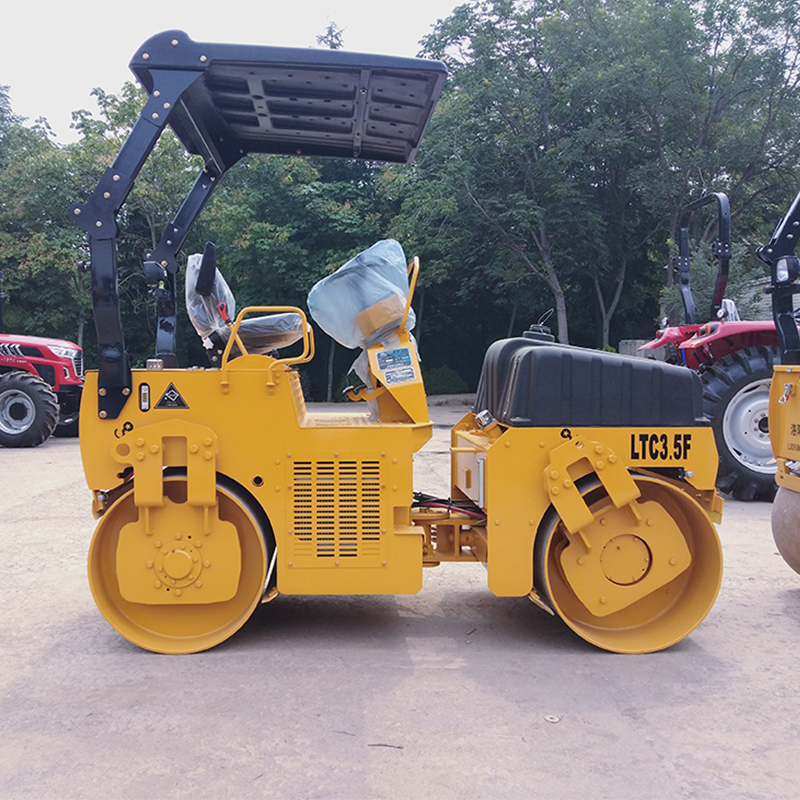
On the whole, this 3.5-ton roller has obvious advantages. Configurations such as double-drum design, mechanical rear drive, hydraulic articulated steering, National IV power, gear transmission, and rotational molding anti-overturning sunshade are just suitable for the narrow working condition needs of most projects, and the cost performance is also in line with the budget of engineers.
For friends who haven't started construction and are choosing rollers, you may wish to come for an on-site test drive; for peers who have already started construction and are still short of a small roller, you can also learn more about this LTC3.5F. Many of our peers are using it, and the feedback is quite good. It can indeed solve the compaction problem of narrow working conditions.
Product Inquiry
Related PRODUCTS
-
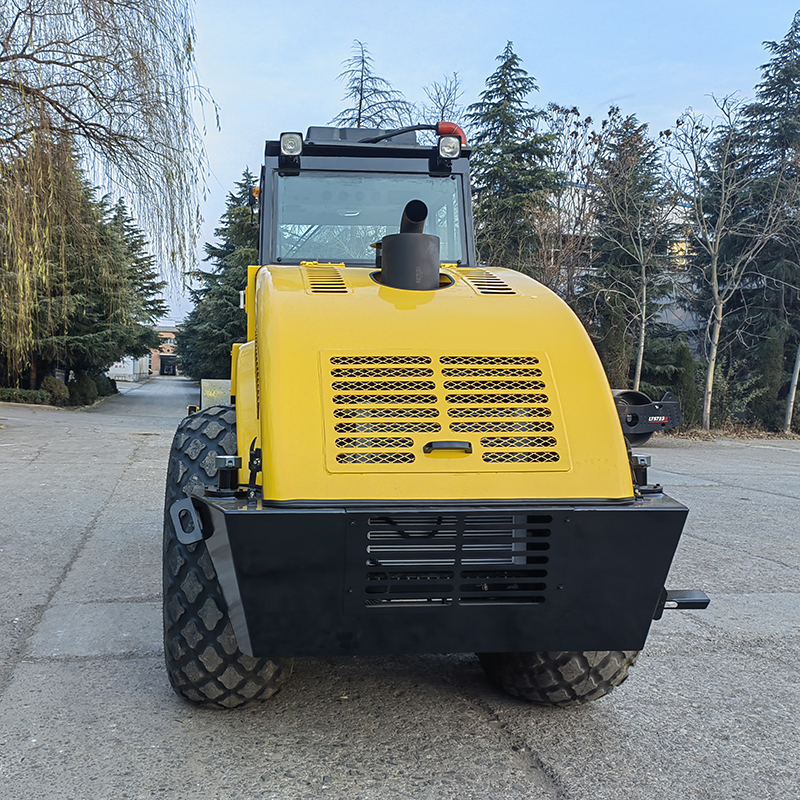
Performance & Efficiency: Lutong LT218B Single Drum Roller
-
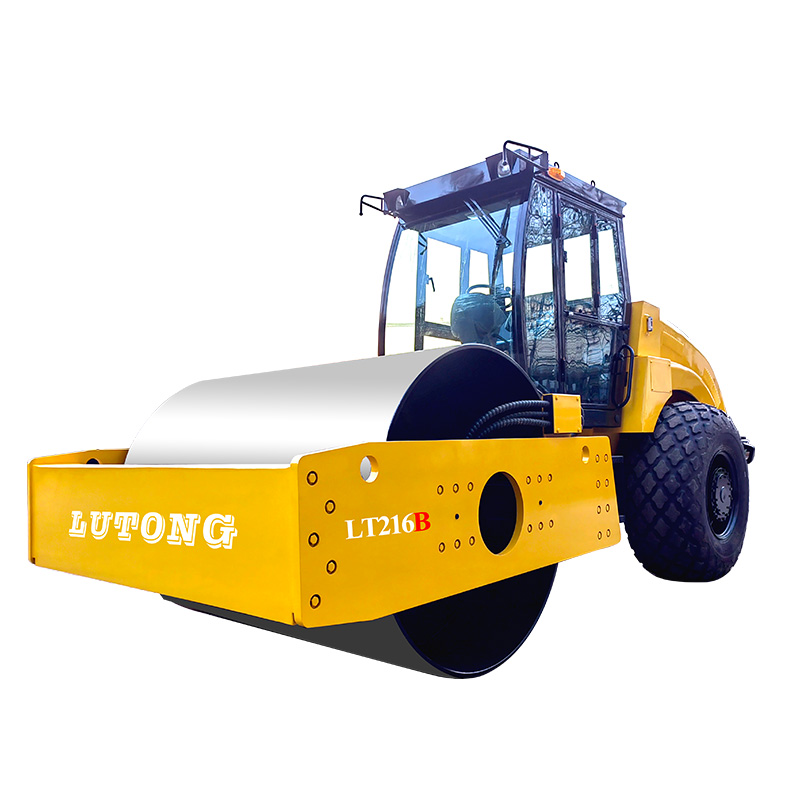
Crafted with "Heart" | LT216B Empowers Efficient Compaction Operations
-
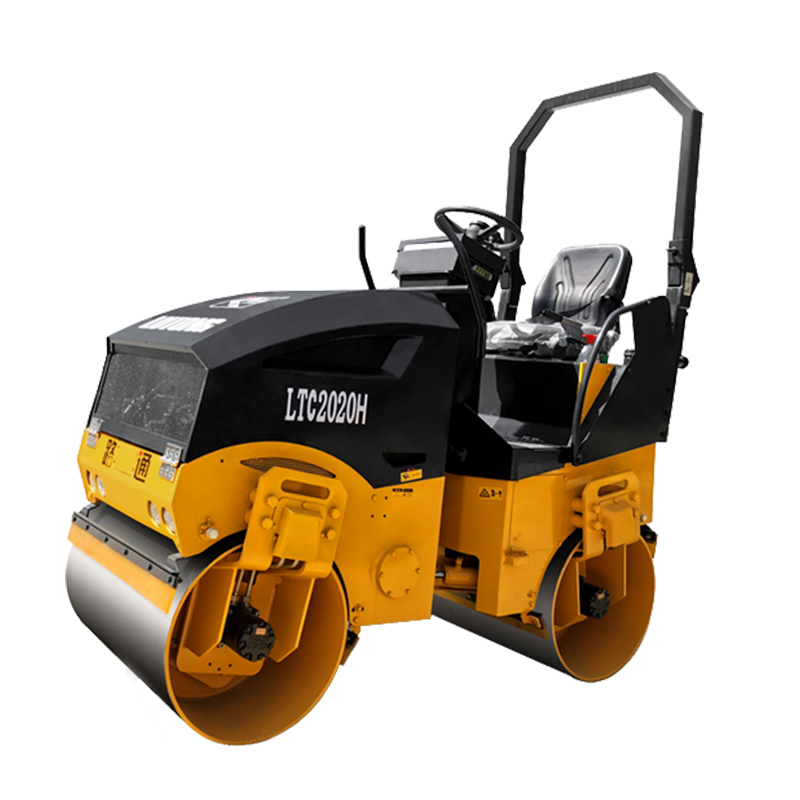
LTC2020H 2-ton Small Vibratory Roller: A Must-Have for Spring Construction, Effi
-
Choosing a 3.5-ton Roller for Construction Start? Engineers Recommend This One,
-
Lutong LTC3.5F Road Roller Adapts to Multiple Scenarios and Assists in Promoting
-
Introduction to Lutong LTS206H 6-ton Small Vibratory Roller
-
Lutong Road Rollers: Over 40 Years of Development
-
Ideal for multi-scenario infrastructure compaction, LTS206H Roller delivers outs
-
Key Points for Roller Selection: Take Lutong LTC208 as an Example
-
Lutong 0.8-ton Walk-behind Roller: Compact Size, Mighty Power, Ultimate Practica